
Trump Administration's "Reciprocal" Tariffs on Dozens of Countries Take Effect
By Admin - Published on November 11, 2025
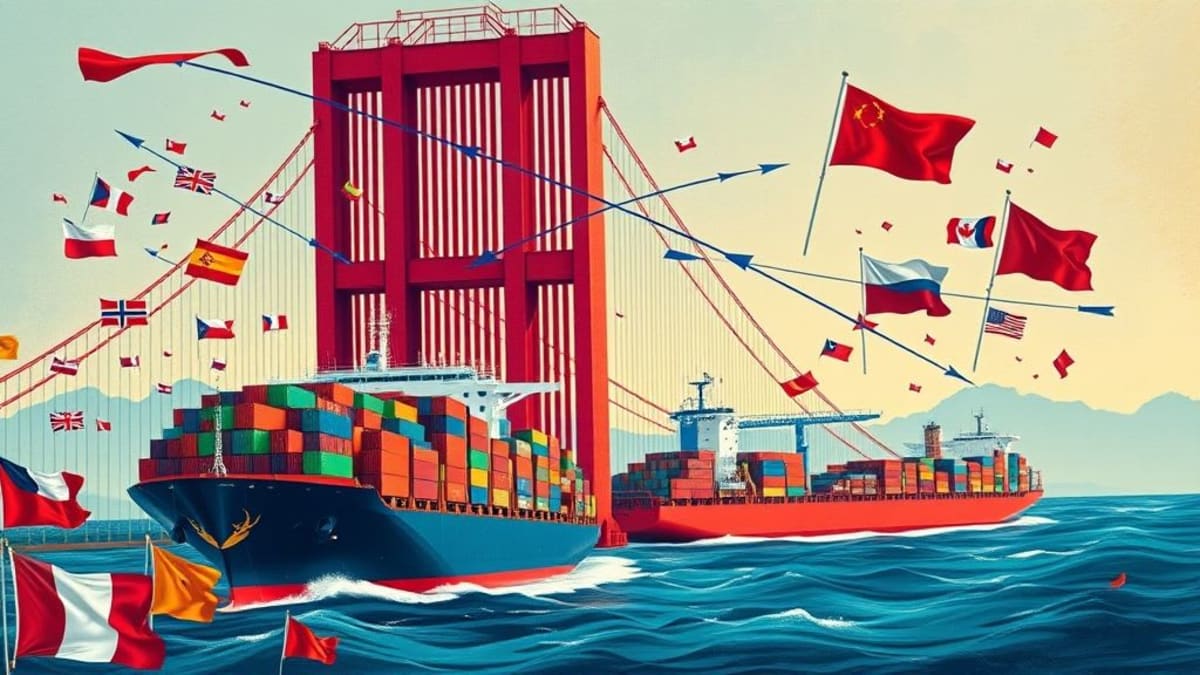
Global Trade Tensions Rise as New US Tariffs Are Implemented
WASHINGTON - A significant set of new tariffs imposed by the Trump administration on goods from dozens of countries officially took effect today, August 7, 2025. The move marks a major escalation in the administration's protectionist trade policy, which it dubs a "reciprocal" tax to counter what it sees as unfair trade practices by other nations.
The new import taxes vary significantly, with rates reportedly ranging from 10% on goods from allies like the United Kingdom to as high as 41% for nations such as Syria. The implementation has sent shockwaves through global markets, with many affected countries now urgently seeking to negotiate exemptions to shield their economies from the financial impact.
Key Developments:
- Widespread Impact: The tariffs are not limited to a few nations but encompass a broad list of countries, creating a complex web of new trade regulations.
- Economic Consequences: The effects are already being felt. The article highlights a dramatic 65% plunge in Chinese e-commerce exports to the United States, a direct response to the tariff threat.
- Legal and Diplomatic Challenges: The legality of this unilateral tariff action is currently being contested in US courts. Simultaneously, the policy has strained diplomatic relations, with many nations questioning the move and its potential to disrupt the global trade system.
- Uncertain Future: While the tariffs are now in effect, the situation remains fluid. Some countries have reportedly succeeded in negotiating reduced rates, and ongoing legal challenges could alter the policy's long-term standing.
The administration maintains that the tariffs are a necessary tool to protect American industries and workers. However, critics and affected nations express deep concern that the policy will lead to higher prices for consumers, disrupt supply chains, and potentially trigger a wider trade war.
Comments
Join the conversation and share your thoughts.
Loading comments...